Alternatives to Aluminum Tile Trim: Is Galvanized Steel + Coating Worth It? (2026 Price Breakdown)
Let’s cut to the chase: 2026’s aluminum market is all over the place. As of March 7, aluminum futures are sitting around 23,633 yuan, and they’re trending up year-over-year—plus, Morgan Stanley says we could hit $3,250 per ton by Q2. If you’re a tile trim manufacturer or importer, those skyrocketing aluminum costs have probably got you scrambling for cheaper alternatives. Aluminum’s long been the go-to for tile trim (light, rust-resistant, sleek—we get it), but its price tag now has everyone hunting for options that don’t break the bank. Today, we’re diving into whether galvanized steel + coating works as a replacement, plus other solid picks to help you navigate these aluminum price swings.
Why Ditch Aluminum Tile Trim (For Now)?
Aluminum’s ruled the tile trim game for good reason: it’s light, resists rust like a pro, is easy to work with, and looks modern with pretty much any tile style. But 2026’s aluminum price chaos—thanks to supply shortages and global market drama—has jacked up production and buying costs big time. If you’re working on budget projects (think large-scale residential renos, cheap commercial spaces, or mass-market exports), aluminum might not be worth the splurge anymore. The name of the game now? Finding alternatives that balance cost, performance, and looks—no compromises needed.
Galvanized Steel + Coating Tile Trim: Worth the Hype?
Galvanized steel (that’s steel coated in zinc, fyi) is already a cheap, reliable way to fight rust—half the world’s zinc goes into galvanizing, after all. Add a surface coating (powder coating or fluorocarbon coating, for example) and suddenly it’s a legit contender to replace aluminum. Let’s break down its pros, cons, and where it actually makes sense to use:
1. The Perks (Why It’s a Contender)
Budget-Friendly AF: Compared to aluminum, galvanized steel is a steal. Zinc prices are expected to drop a little to $2,900 per ton in 2026, so galvanized steel + coating ends up being 30-50% cheaper than aluminum tile trim. Perfect for projects where every penny counts.
Durable & Rust-Resistant (Mostly): Galvanized steel gets a thick zinc layer that keeps air and moisture away from the steel—plus, zinc corrodes way slower than steel, so it’ll last decades. Add a coating (especially powder coating) and it’s even more rust-proof, making it great for moderately humid spots like kitchens or hallways.
Tough as Nails: Galvanized steel is stronger and harder than aluminum, so it can take a beating without bending or denting. That makes it ideal for high-traffic areas—think commercial lobbies, staircases, or outdoor tile projects—where aluminum would probably get scuffed up fast.
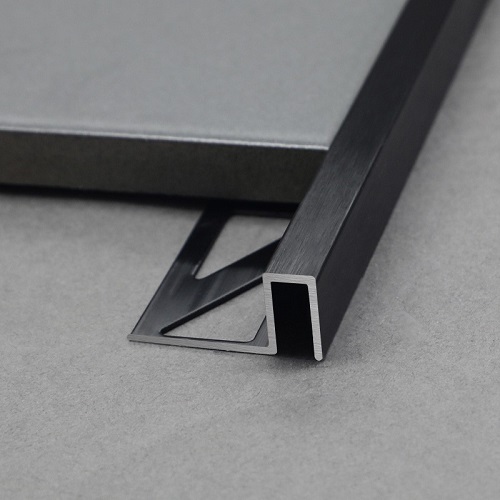
Looks Versatile: The coating lets you pick pretty much any color or finish (brushed, matte, glossy)—from industrial vibes to modern minimalist. It can even mimic aluminum or stainless steel, so you get the look you want without the high price.
2. The Downsides (No Sugarcoating)
Heavier Than Aluminum: Galvanized steel is denser, so the trim is bulkier. That means higher shipping costs, and you’ll need stronger adhesive or fasteners to install it—which might add a little to labor costs.
Not Great for Super Wet/Salty Spots: It works fine in most indoor areas, but don’t use it in super humid spaces (showers, saunas) or coastal areas with salt air—it’s not as rust-resistant as aluminum or 304/316 stainless steel. If the coating chips, the zinc layer can corrode over time, leading to rust.
Trickier to Process: Galvanizing and coating add extra steps compared to aluminum. If the coating is shoddy (uneven, bubbly), it’ll ruin the look and durability—so make sure you pick a manufacturer who knows what they’re doing.
3. Where It Works Best
Galvanized steel + coating is perfect for: residential floor/wall tile edges, commercial spaces with moderate foot traffic, budget renos, and indoor areas with low-to-moderate humidity. Skip it for showers or coastal spots unless you spring for high-quality anti-corrosion coating (like fluorocarbon).
Quick Pro Tip
Go for hot-dip galvanized steel over electro-galvanized—it has a thicker zinc layer (150g/㎡ or more) and sticks better to the steel. For the coating, choose powder coating that’s 60-80μm thick—this gives you the best durability and color retention.
Other Aluminum Alternatives You Should Know
Galvanized steel + coating isn’t the only option—here are other reliable picks, each with their own vibe and best uses:
1. PVC Tile Trim (Cheapest Option)
PVC is the cheapest alternative out there—way cheaper than aluminum or galvanized steel. It’s light, easy to install (often self-adhesive), and comes in tons of colors. But heads up: it’s not durable or heat-resistant. It’ll get brittle and yellow over time, especially in direct sunlight or high heat. Best for temporary renos or dry, low-traffic indoor spots (like bedroom wall tiles).
2. Stainless Steel Tile Trim (Luxury Pick)
Stainless steel (304 or 316 grade) is the most rust-resistant and durable option—perfect for wet areas or coastal homes. It looks sleek, is scratch-resistant, and super easy to clean. The catch? It’s more expensive than galvanized steel + coating (though still cheaper than aluminum sometimes) and heavier than aluminum. Great for high-end residential or commercial projects where durability and looks are non-negotiable.
3. Zinc Alloy Tile Trim (Middle Ground)
Zinc alloy mixes zinc with other metals, so it’s got good rust resistance and flexibility. It’s lighter than galvanized steel and cheaper than aluminum, and it looks similar to aluminum. But it’s not as strong—heavy impact can bend it. Best for indoor tile edges or decorative trim in homes.
Aluminum Alternatives: Which One’s for You? (Quick Cheat Sheet)
Confused about which to pick? Here’s a no-nonsense breakdown based on cost, durability, rust resistance, and where to use them:
Galvanized Steel + Coating: Medium cost, super durable, moderate rust resistance → best for most indoor/moderate-humidity areas.
PVC: Cheapest, not durable, poor rust resistance → best for dry, low-traffic spots or temp renos.
Stainless Steel: Most expensive, most durable, top-tier rust resistance → best for wet areas/high-end projects.
Zinc Alloy: Medium-low cost, medium durability, moderate rust resistance → best for indoor decorative trim.
Final Verdict
With 2026’s aluminum prices spiking and fluctuating, galvanized steel + coating is a total game-changer for budget-friendly tile trim. It balances cost, durability, and looks—perfect for most residential and commercial projects. Yeah, it has downsides (heavier, not great for super wet spots), but those can be fixed by picking high-quality galvanizing and coating.
When choosing an alternative, just ask yourself: What’s my budget? Is the area humid or high-traffic? What look do I want? For budget projects with moderate humidity, galvanized steel + coating is your best bet. For high-end or wet areas, go stainless steel. For temp or dry spots, PVC is the cheapest win.
At the end of the day, the right pick depends on your project—but with these options, you can save money without sacrificing quality or style. Win-win!