Stainless Steel Tile Trim: A Complete Guide to Shapes, Sizes & Practical Choices
When it comes to tiling projects—whether a kitchen backsplash, bathroom shower, or living room floor—there’s one finishing detail that elevates both aesthetics and durability: stainless steel tile trim. Sleek, corrosion-resistant, and versatile, this small but mighty accessory protects tile edges from chipping, creates seamless transitions, and adds a polished, modern touch to any space. But with so many shapes and sizes available, how do you choose the right one for your project? Let’s break down the most common options, their uses, and key sizing tips to make your tiling job a success.
Why Stainless Steel Tile Trim? First, the Basics
Before diving into shapes and sizes, let’s recap why stainless steel is a top choice for tile trim. Unlike plastic or aluminum, stainless steel (especially 304 or 316 grades) boasts superior corrosion resistance, making it perfect for high-moisture areas like bathrooms, kitchens, and even outdoor spaces—or coastal environments where salt air can damage other materials. It’s also scratch-resistant, easy to clean, and comes in finishes like brushed, polished, or matte to match any design style, from minimalist to industrial to light luxury. Plus, it’s durable enough to withstand high foot traffic, making it ideal for both residential and commercial projects.
Common Shapes of Stainless Steel Tile Trim (and When to Use Them)
The shape of your tile trim depends on its purpose: protecting edges, transitioning between surfaces, or adding decorative flair. Here are the most popular styles, with practical use cases to guide your choice.
1. U-Shape (Channel) Trim: The Versatile Edge Protector
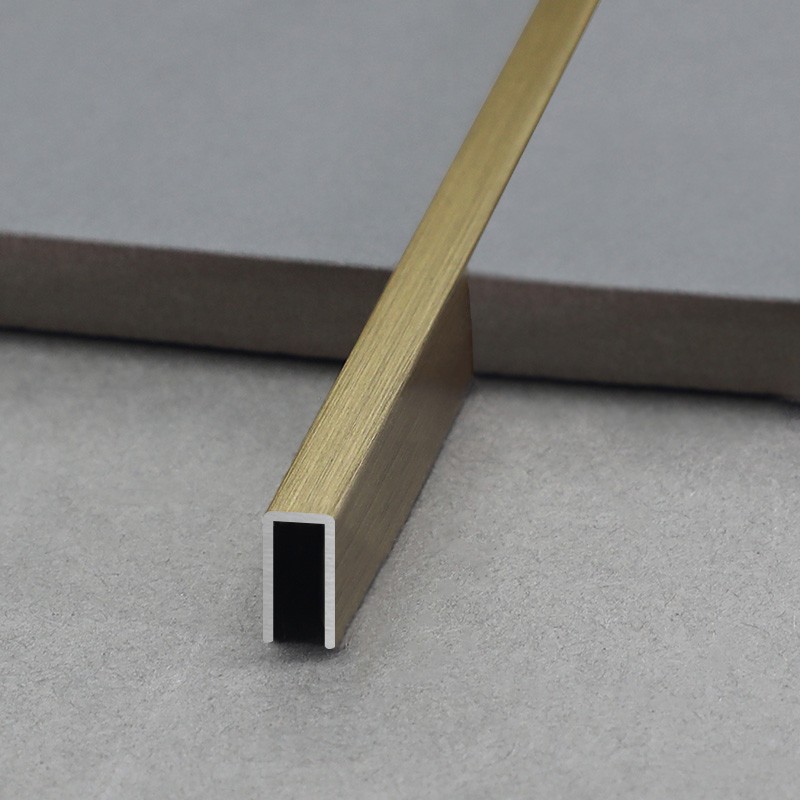
As the name suggests, U-shape trim features a curved bottom and two parallel sides, forming a “channel” that wraps around the edge of a tile. It’s the most versatile and widely used shape, designed to encapsulate tile edges and prevent chipping or damage from impact.
Key Uses: Wall tile edges, backsplashes, shower enclosures, floor perimeters, and glass frames. It’s also great for DIY projects thanks to self-adhesive backing options that make installation easy. For wet areas like showers, opt for 316-grade stainless steel for extra corrosion resistance.
Pro Tip: U-shape trim works best for straight edges—you’ll need precise cutting for corners to ensure a seamless fit. Some styles come in grooved or non-grooved options, with grooved versions offering a 90-degree right angle and non-grooved featuring a rounded edge for a softer look.
2. L-Shape Trim: The Corner Specialist
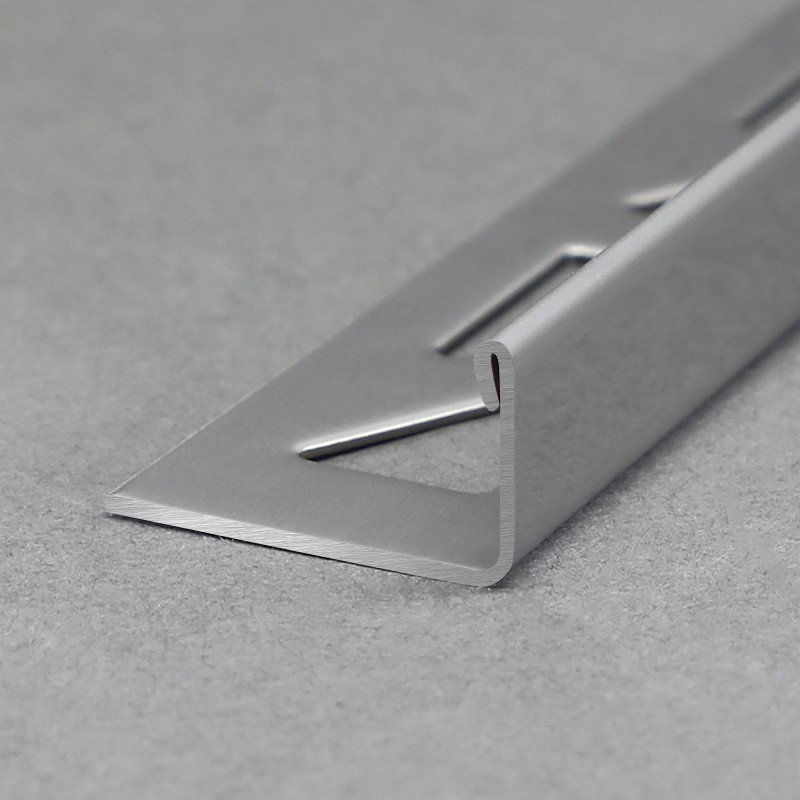
L-shape trim has a 90-degree angle, with one leg attached to the tile edge and the other lying flat against the wall or floor. It’s designed to finish interior or exterior corners neatly, providing both protection and a clean transition between two tiled surfaces.
Key Uses: Bathroom and kitchen corners, stair treads, countertop edges, and wall/floor transitions. It’s especially popular in European and American designs when paired with a rounded edge to avoid sharp corners that could cause scratches.
Pro Tip: L-shape trim requires accurate measurement and cutting—invest in a good metal snip or tile cutter to get clean, precise angles. For exterior corners, look for L-shape trim with a slightly rounded edge for added safety and aesthetics.
3. T-Shape Trim: The Seamless Transition
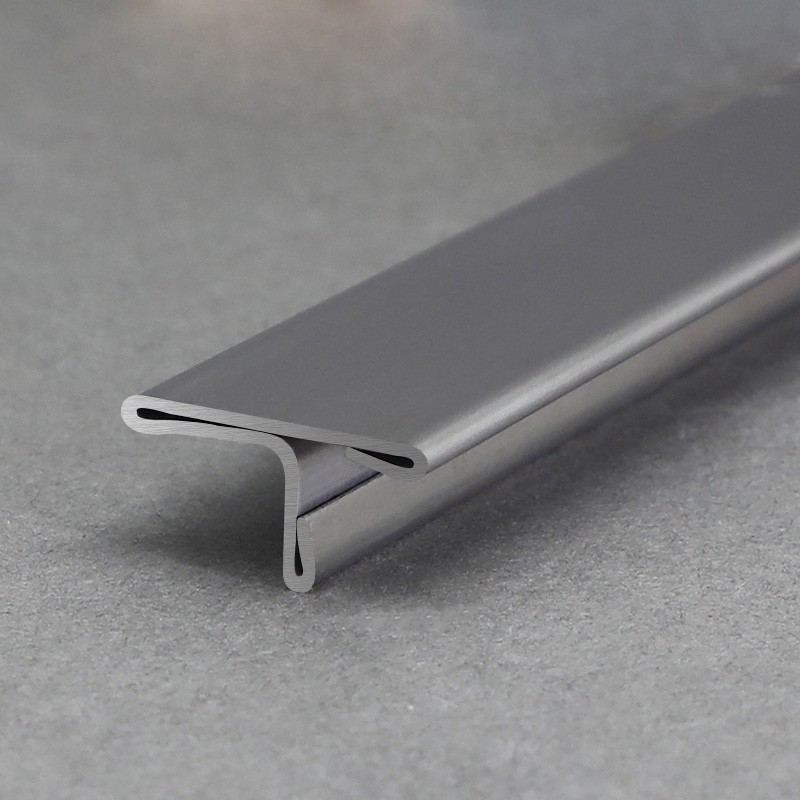
T-shape trim features a vertical “stem” that fits between two tiles and a horizontal “top” that sits flush with the tile surface, creating a smooth transition between two tiled areas or between tile and another material (like wood or carpet). It’s a favorite for open-concept spaces where you want a cohesive look without visible gaps.
Key Uses: Tile-to-tile transitions (e.g., between a kitchen floor and dining room floor), tile seams, wall panel joints, and even furniture decoration (like cabinet door frames). It also adds a subtle decorative touch to backsplashes and accent walls.
Pro Tip: Choose a T-shape trim with a perforated anchoring leg for extra stability—this allows it to secure firmly in the adhesive or mortar bed below the tile surface.
4. Square Trim: The Modern Minimalist
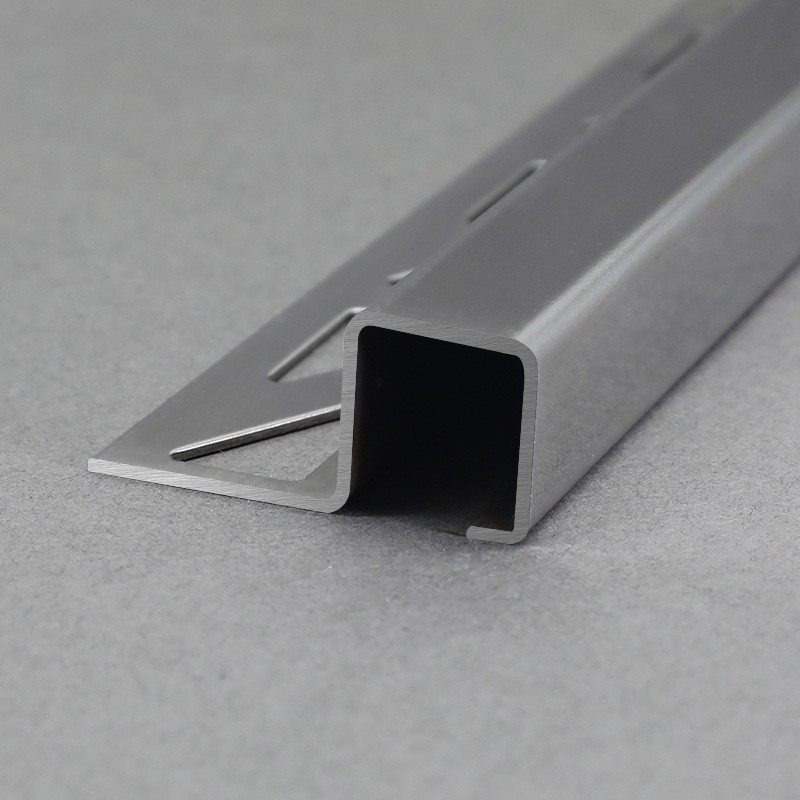
Square trim has a clean, right-angled design with equal sides, offering a sleek, minimalist transition between tiled surfaces. It’s thinner than L-shape or U-shape trim, making it ideal for projects where you want a subtle finish rather than a bold accent.
Key Uses: Thresholds between rooms, hallways, matching tile sections, and modern-style spaces where clean lines are a priority. It’s not suitable for areas with height differences between floors, as it requires precise alignment to look seamless.
5. Quarter Round Trim: The Soft Edge Finisher
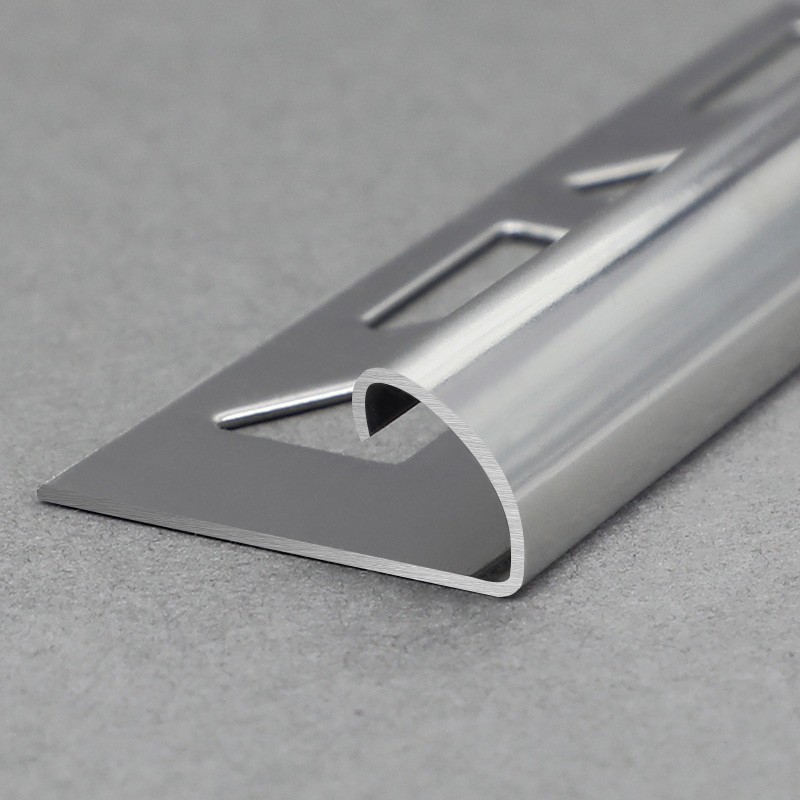
Quarter round trim, as its name implies, features a 90-degree curved edge that resembles a quarter of a circle. It’s designed to add a soft, smooth finish to tile edges, eliminating sharp corners and creating a gentle transition between tiled surfaces and walls, floors, or other materials. Unlike angular trims, it offers a more subtle, elegant look that complements traditional and modern designs alike.
Key Uses: Baseboards for floor tiles, shower thresholds, backsplash edges, and areas where a sharp edge could be a safety hazard (e.g., children’s rooms or hallways). It’s also ideal for hiding small gaps between tiles and walls/floors, giving your tiling project a polished, professional look. Suitable for both residential and light commercial spaces.
Pro Tip: Pair quarter round trim with polished or brushed stainless steel finishes to enhance its elegant appearance. For wet areas, opt for 316-grade stainless steel to prevent corrosion, and ensure the curve fits snugly against the tile edge for a seamless finish.
6. Angled Trim:
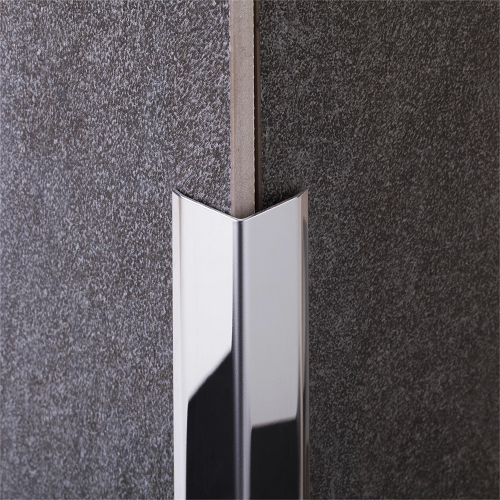
Angled trim is designed for acute (less than 90°) or obtuse (more than 90°) tile angles, providing precise protection and a polished finish for non-standard corners. It’s a specialty trim that’s perfect for custom tiling projects, like curved walls or unique shower enclosures.
Key Uses: Custom tile installations, curved corners, and any area where a 90-degree trim won’t fit. It’s often used in commercial spaces or high-end residential projects with unique design elements.
Standard Sizes: What You Need to Know
Stainless steel tile trim sizes are determined by three key measurements: length, height (or “leg length”), and thickness. While customization is available for most styles, there are standard sizes that work for most tiling projects. Here’s a breakdown:
Length
Most stainless steel tile trim comes in standard lengths to fit common tile installations. The most popular options are:
- 2.44m (8ft), 2.5m, 2.6m, 2.7m: The most common lengths, suitable for most walls and floors.
- 3m: Ideal for longer walls or commercial projects, available for select sizes (e.g., 6mm, 8mm, 10mm height).
- Custom lengths: Many manufacturers offer custom cutting to fit your exact project needs—perfect for odd-sized walls or unique corners.
Height (Leg Length)
The height (or leg length) of the trim refers to how much it covers the tile edge. It should match the thickness of your tile to ensure a flush, seamless finish. Standard heights include:
- 6mm, 8mm, 10mm: Ideal for thin tiles (e.g., 6-10mm wall tiles, backsplash tiles).
- 12mm, 15mm: For medium-thickness tiles (e.g., 12-15mm floor tiles).
- 18mm, 20mm, 25mm, 30mm: For thicker tiles (e.g., outdoor tiles, heavy-duty floor tiles).
Pro Tip: Always measure your tile thickness before buying trim—if the trim is too short, it won’t protect the tile edge; if it’s too long, it will stick out and look uneven.
Thickness
The thickness of the trim affects its durability and appearance. Standard thicknesses are:
- 0.6mm–0.8mm-1.0mm-1.5mm-2.0mm: Thin and lightweight, suitable for decorative purposes or low-traffic areas (e.g., backsplashes)