Navigation



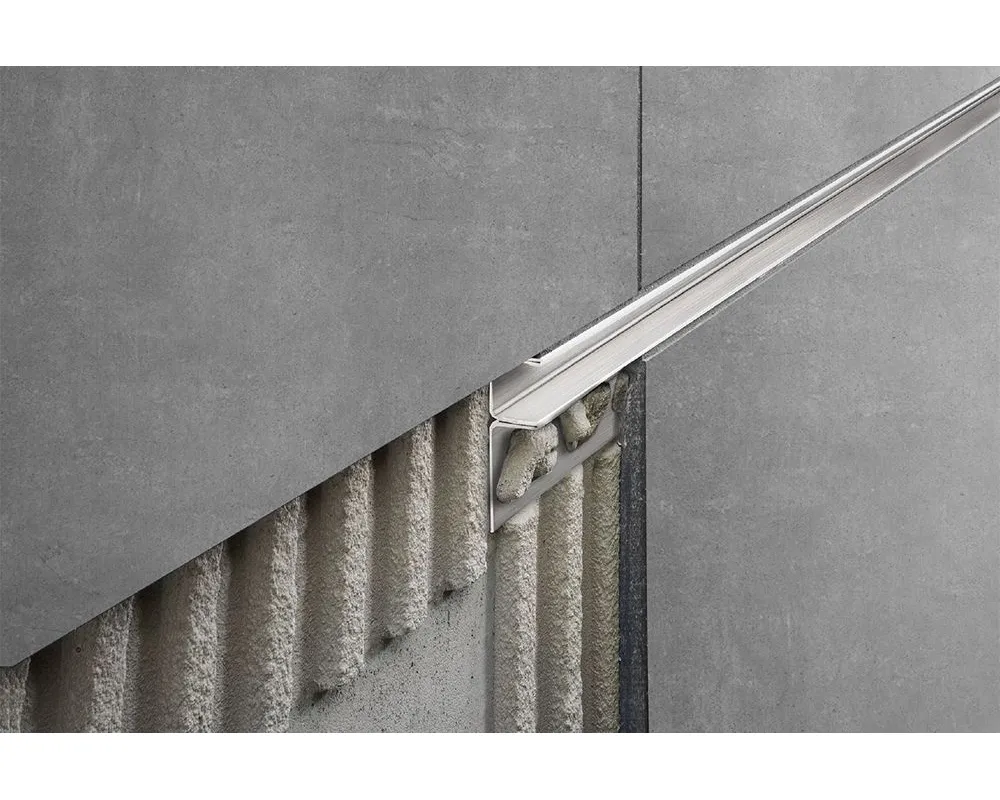
Exceptional Durability: Stainless steel and anodized aluminum boast excellent corrosion resistance, rust prevention, and wear resistance, rendering them well-suited for high-traffic areas (e.g., entrances) and wet zones such as showers and kitchens. Thick-gauge metal trims can withstand impacts from heavy furniture or foot traffic without deformation.
Minimal Maintenance Demand: Unlike plastic alternatives, metal trims are not susceptible to warping, fading, or mold proliferation. Routine maintenance merely involves wiping with a damp cloth and mild detergent to preserve their original appearance.
Premium Aesthetic Value: The metallic luster endows basic tiling works with a polished, high-end texture. In particular, brass trims introduce warm and luxurious tones to custom-designed bathrooms and feature walls.
Flexible Installation Capabilities: Most metal trims are equipped with pre-drilled holes or can be fixed via adhesives, accommodating both straight edges and 90-degree corners. End cap components eliminate the technical challenge of precise 45-degree angle cuts.
Relatively High Cost: Metal trims are more expensive than PVC or plastic counterparts, with stainless steel and brass being the costliest variants. This cost burden can accumulate substantially in large-scale projects.
Specialized Tools Required: Clean cutting of metal trims necessitates miter saws or metal snips, posing challenges for do-it-yourself (DIY) enthusiasts without professional equipment. Thin aluminum trims are also prone to denting under heavy impact.
Scratch Visibility: Despite their durability, metal trims are susceptible to visible scratches after prolonged use, especially in high-traffic areas. Scratches on anodized or powder-coated aluminum surfaces may expose the base metal, triggering localized rust in humid environments.
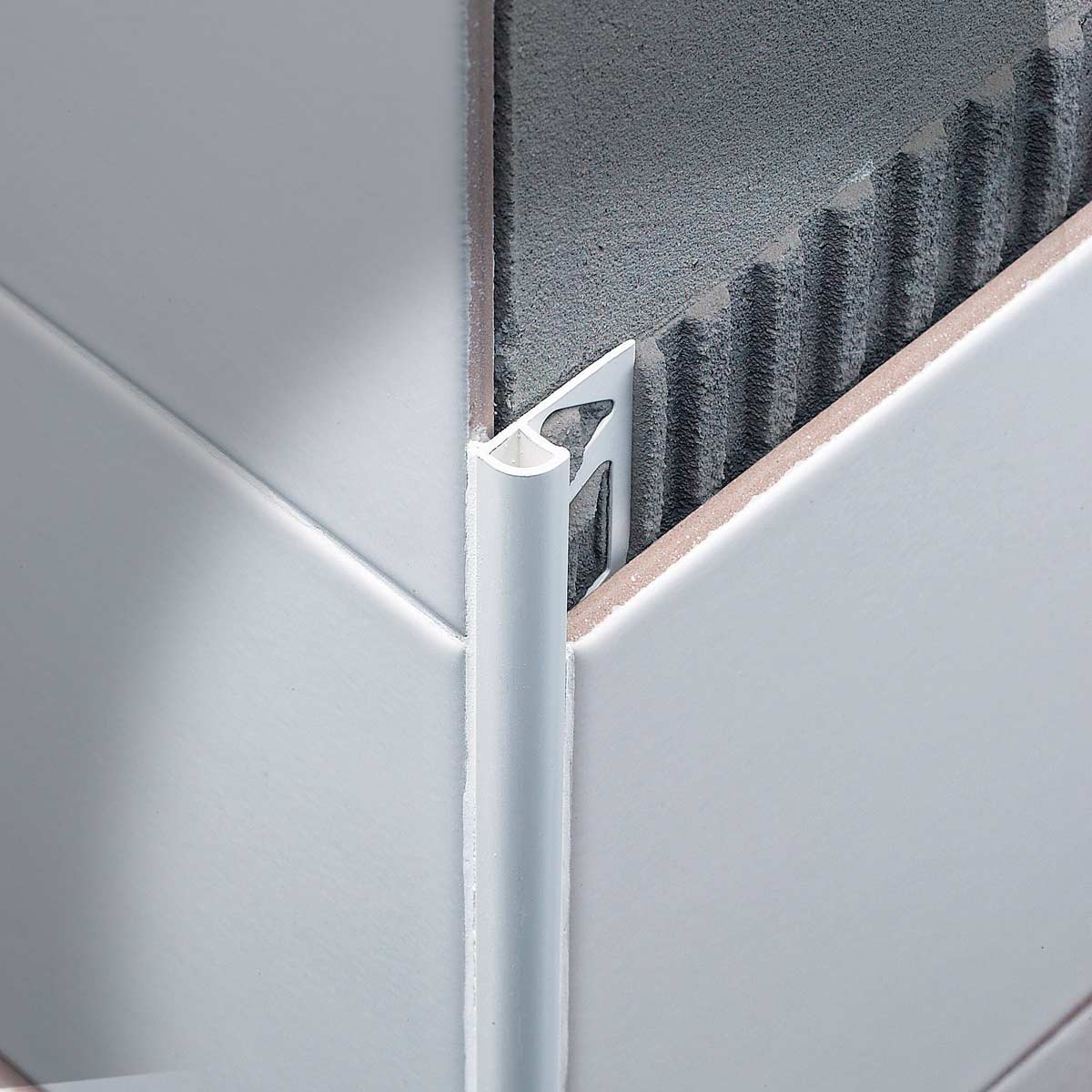
Affordability and Accessibility: Plastic trims are significantly more economical than metal alternatives, making them ideal for budget-constrained renovations or temporary projects. They are widely accessible in home improvement retailers and construction supply stores.
Streamlined Installation Procedure: No specialized tools are required—PVC trims can be cut with a standard hacksaw or utility knife and fixed using adhesives or small screws. Their flexibility allows for application on curved walls or rounded edges where metal trims are prone to cracking.
Moisture Resistance: PVC materials exhibit inherent water repellency and mold resistance, making them a viable option for bathrooms and kitchens, though not recommended for heavily saturated areas such as showers.
Color Versatility: Unlike metal trims, plastic variants are available in bold hues or exact color matches to tile surfaces, enabling cohesive or decorative design schemes without excessive cost input.
Limited Durability: Plastic trims are prone to cracking, fading, and brittleness over time, particularly when exposed to ultraviolet (UV) radiation or heavy impact. They are unsuitable for high-traffic flooring or children's play areas.
Inferior Aesthetic Quality: Even high-quality PVC trims lack the premium texture of metal or stone materials. They may present a tacky appearance in high-end spaces and are susceptible to discoloration with age.
Insufficient Edge Protection: Plastic trims provide minimal structural protection for tile edges, leaving them vulnerable to chipping when subjected to impact forces.


